
Focus, Evidence, Verdict
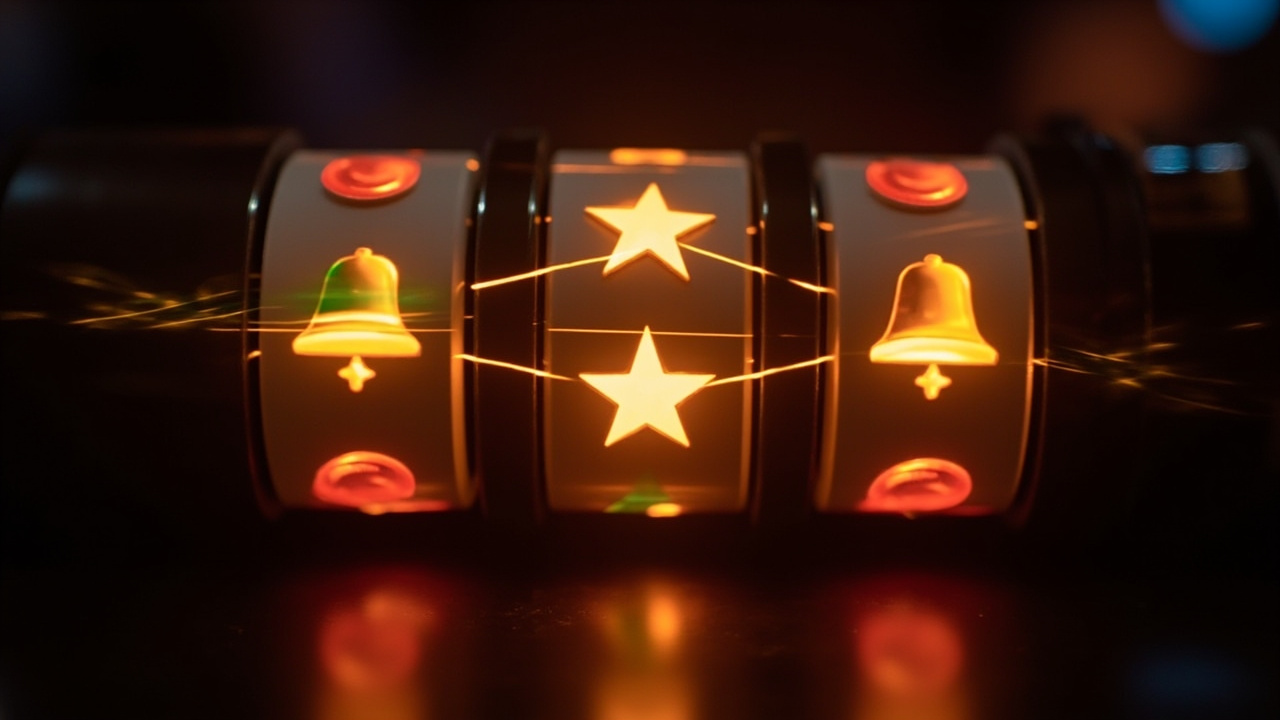
A proper home casino room ideas project starts with the same question any venue operator asks: what keeps people coming back once the welcome noise fades. In my time building scalable companies, I’ve learned that retention beats acquisition every time, and the same logic applies to a private gaming setup designed for repeat sessions rather than a one-off fling. The right layout, lighting, and game selection matter far more than a flashy sign-up offer that disappears after the first deposit.
Focus: Retention Over First-Deposit Hype
Most home casino room ideas lean too hard on the opening bonus and forget the boring work that actually sustains a room. I’ve seen operator-investor deals stall because the commercial model relied on a single promotional spike instead of a repeatable loop, and a home setup is no different. You want tables, machines, or digital stations that support ongoing promos, cashback rhythms, loyalty tiers, and tournament cycles so the space earns its keep across months, not just one busy arvo.
The practical test is simple: if the welcome offer vanished tomorrow, would the room still have a reason to stay active? A solid setup builds that reason into the floor plan. Recurring promos keep the calendar interesting, cashback softens the inevitable dry spells, and a loyalty or VIP ladder gives regulars a tangible reason to book the same seat again. Tournaments add a social pulse without requiring a full casino staff, and repeat-play reasons come from consistent game availability rather than a rotating gimmick that dies after a fortnight.
That enduring engagement relies on seamless payment pathways that keep transactions frictionless and players focused on the experience. Operators who prioritize this level of convenience often see higher retention rates across their digital floors. For a deeper breakdown of how modern funding methods reshape user loyalty, explore the pokies.net login australia with PayID integration at https://bloggingunearthed.com/.
Evidence in Two Parts
Layout and Flow for Repeat Sessions
A room that feels cramped or badly zoned will kill retention faster than a thin bonus ever could. I’ve walked through commercial spaces where the operator spent the whole budget on signage and left no room for actual movement, and the result was always the same: people drift away because the experience feels like a queue, not a session. For home casino room ideas, that means thinking about sightlines, seating clusters, and a clear path between the main play area and a quieter corner for breaks or side games.
Lighting is one of those details that sounds minor until it isn’t. Warm, controllable light works better than a single bright overhead that turns the room into a study hall or a interrogation space. A couple of well-placed lamps, a dimmer switch, and shading that cuts glare on screens or cards can make the same room feel completely different depending on the time of night. In Melbourne, where winter evenings can close in early, that kind of control matters more than people expect.
The floor itself should support the rhythm you want. If you’re mixing a poker table, a few stools, and a digital station, leave enough space for people to sit, stand, and reset without bumping into the next cluster. That sounds obvious, but I’ve seen plenty of commercial fit-outs fail on exactly this point because the designer chased a magazine look instead of the actual traffic pattern. A home room can avoid that mistake by keeping the layout honest and leaving a little more space than you think you need.
Ongoing Value After the Welcome Offer
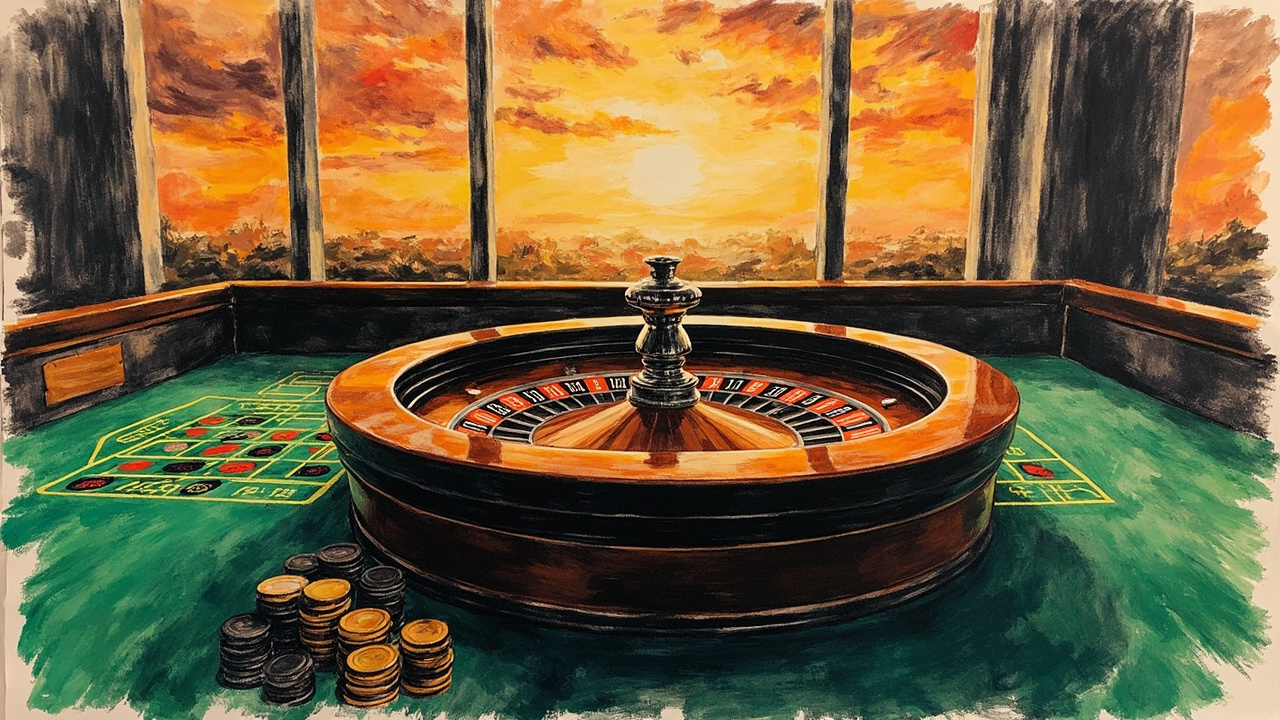
The second part of the job is making sure the room has reason to stay alive after the first deposit or first night of play. That is where ongoing promos, cashback, loyalty/VIP structures, tournaments, and repeat-play reasons do the heavy lifting. A home casino room ideas setup should be built around a repeatable calendar rather than a single event, because the room only earns its space if people have a reason to return on a random Tuesday, not just when there’s a new sign-up to chase.
Cashback is useful because it changes the mood after a losing session without turning the room into a promise of guaranteed wins. It’s a softener, not a safety net, and that distinction matters. Loyalty tiers work best when they feel earned through actual play rather than handed out like a membership card that means nothing. Tournaments give the room a social engine, especially if you’ve got a small regular group who like a bit of competition without needing a full event crew.
Repeat-play reasons also come from consistency. If the same games, tables, or digital options are available most nights, people settle into a routine and the room starts to feel like theirs. That’s the difference between a novelty setup and a space that actually holds attention. In my experience, the operator-investor call is always the same: build for the repeat user, not the first-timer, because the repeat user is what keeps the whole thing viable.
| Detail | What It Means for the Room |
|---|---|
| Positioning | A private setup built for repeat sessions, not a one-off bonus night |
| Games and providers | A mix of table, machine, and digital options that stay available most evenings |
| Bonus mechanics | Ongoing promos and cashback that soften dry spells without promising wins |
| Payments and currencies | A simple local-friendly setup with clear limits and consistent currency use |
| Registration | Straightforward sign-up with normal identity checks, no shortcuts |
| Mobile | A layout and screen setup that works without turning the room into a phone stand |
| Support | A reliable contact path for setup questions, not a vague generic inbox |
| Loyalty | A tiered repeat-play structure that rewards regular use rather than a single visit |
Linking the Focus to Player Needs
The best home casino room ideas are the ones that match the room to the people who will actually use it, not to a generic dream of a private casino. If the group is mostly there for a relaxed night with mates, the layout should favour conversation and easy movement. If it’s more about regular solo or small-group play, the setup should lean toward consistent game access and a clear loyalty rhythm. Either way, the room works when it serves the habit you already have, not the habit you wish you had.
I’d rather see a modest room that keeps its promise than a flashy one that forgets what it’s for after the first week. That’s the same judgement call I make when assessing scalable companies: the model has to survive the ordinary days, because the ordinary days are most of the life of the business. A home setup is no different. Build for the long run, keep the ongoing promos and loyalty mechanics honest, and let the room earn its place one session at a time.
The verdict is straightforward: focus on retention, keep the layout practical, and make sure the room still has a reason to stay active after the welcome offer is gone. Do that, and the space stops being a novelty and starts being a genuine part of the weekly routine.

